Embracing Lifelong Learning: How Older Adults Challenge the Myth of Change Resistance
- Niquae McIntosh
- Apr 5
- 3 min read

The saying “you can’t teach an old dog new tricks” suggests that older people resist change and learning. Yet, this phrase often masks a deeper resistance to change rooted in societal power dynamics. Many older adults actively seek to learn, reflect, and repair both themselves and their communities. This post explores how lifelong learning thrives in later life and how cultural values and systems influence experiences of growth and healing.
Challenging the Myth of Resistance to Change
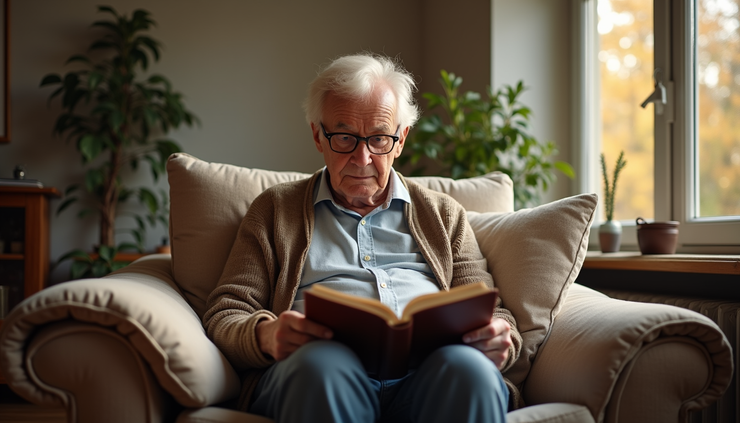
The idea that older adults cannot or will not change serves to maintain existing power structures. It often benefits those in majority positions who fear the disruption that comes with deep systemic change. Yet, many older adults demonstrate accountability, empathy, and a strong desire to learn when they feel safe and respected.
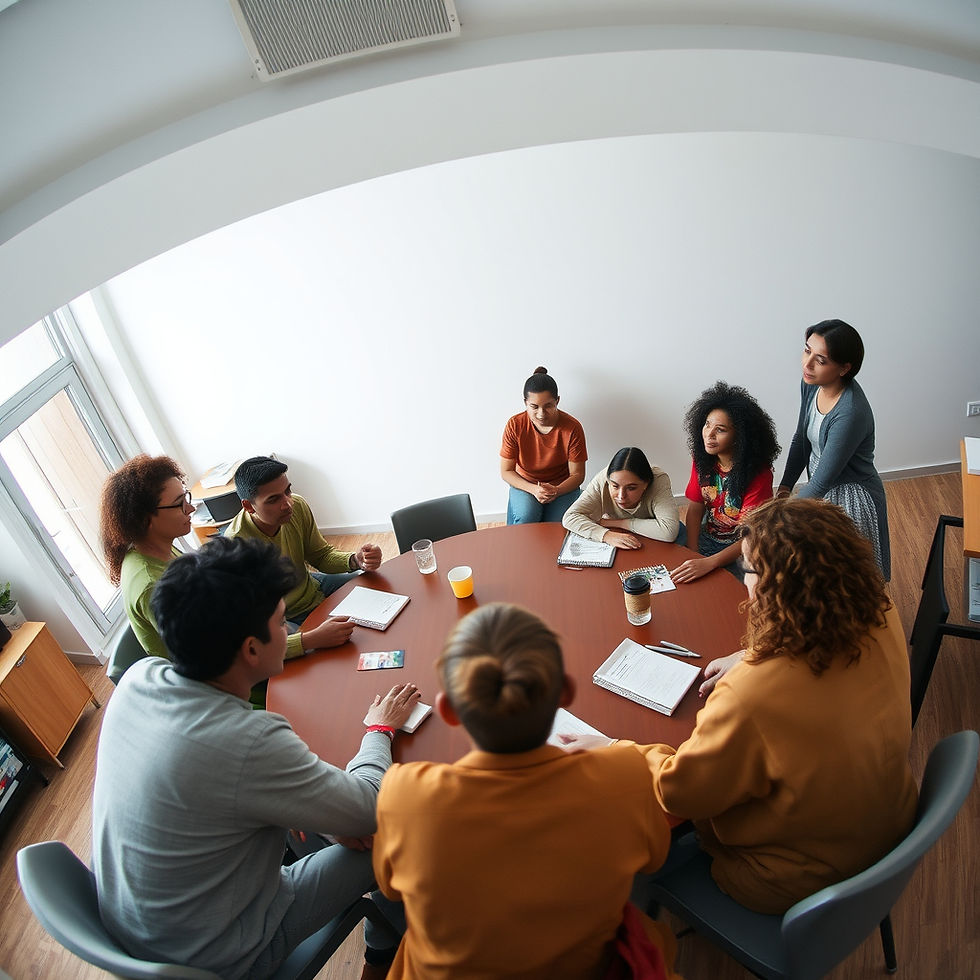
For example, community programs that focus on intergenerational dialogue show how older adults can adapt their perspectives and contribute meaningfully to social change. These programs create environments where older participants feel valued, encouraging openness to new ideas and self-reflection.
Understanding the Role of Cultural and Social Systems
Bronfenbrenner’s ecological systems theory helps explain how individual experiences are shaped by multiple layers of influence. The macrosystem, which includes cultural values, societal norms, policies, and power systems, plays a crucial role in shaping how older adults experience trauma and healing.
In many cultures, aging is associated with wisdom and respect, which supports lifelong learning. In others, ageism limits opportunities for growth by reinforcing stereotypes about decline and resistance. Policies that provide access to education, healthcare, and social support can either enable or hinder older adults’ ability to engage in learning and healing.
Examples of Lifelong Learning in Older Adults
Older adults engage in learning in many ways beyond formal education. Here are some examples:
Community workshops: Many older adults participate in workshops on topics like technology, art, or health, showing eagerness to acquire new skills.
Peer support groups: Groups focused on shared experiences, such as grief or chronic illness, foster empathy and accountability.
Volunteering: Older volunteers often take on roles that require learning new skills and adapting to changing environments.
Online courses: Increasingly, older adults use digital platforms to explore new subjects, from languages to science.
These examples highlight that learning is not limited by age but by the opportunities and support available.
Creating Safe Spaces for Growth and Healing
For older adults to embrace learning and change, they need environments where they feel safe and respected. This means:
Acknowledging past experiences: Recognizing trauma and life history without judgment.
Encouraging open dialogue: Allowing space for questions, doubts, and reflection.
Providing accessible resources: Ensuring materials and activities are adapted to different abilities.
Valuing contributions: Highlighting the unique perspectives and wisdom older adults bring.
When these conditions are met, older adults show remarkable capacity for growth, challenging the stereotype of resistance.
The Impact of Lifelong Learning on Society
Encouraging lifelong learning among older adults benefits not only individuals but society as a whole. It promotes:
Social cohesion: Older adults who engage in learning often become bridges between generations.
Mental and physical health: Learning activities can improve cognitive function and emotional well-being.
Community resilience: Older adults contribute to community problem-solving and innovation.
Reduced ageism: Visible examples of growth challenge negative stereotypes about aging.
Supporting lifelong learning is a step toward a more inclusive and dynamic society.